.webp) h5gameplanet.com
h5gameplanet.comSoul's Remnant – How to Survive, Explore, Fight, and Master the Dark World

Soul's Remnant is an atmospheric adventure centered around exploration, combat, survival, and discovering the secrets hidden within a dangerous world. Progress depends on more than simply defeating enemies. Players must learn how to manage resources, understand enemy behavior, explore carefully, improve their character, and make effective use of the environment.
The early stages can feel challenging because enemies punish careless decisions and unfamiliar areas can contain unexpected threats. Instead of rushing through every encounter, learning the rhythm of exploration and combat is essential. Each successful battle provides experience that helps you understand which attacks, equipment, and strategies work best.
This guide explains how to approach Soul's Remnant from the beginning, covering exploration, combat, resource management, character progression, equipment, difficult encounters, and long-term survival strategies.
1. How to Start Your Journey
The opening section of Soul's Remnant should be treated as a learning period. Take time to understand movement, attacks, defensive mechanics, inventory management, and interaction with the environment before attempting to move quickly through unfamiliar areas.
Pay attention to the surroundings as you explore. Paths, structures, environmental details, and unusual locations can provide clues about where you should go next. Rushing through the world can cause you to miss useful resources or important discoveries.
During the early game, focus on establishing a reliable routine:
- Learn your basic attacks and defensive options.
- Collect useful resources whenever you find them.
- Explore nearby areas before moving too far away.
- Check equipment and inventory regularly.
- Learn enemy attack patterns.
- Avoid unnecessary risks when resources are limited.
A cautious beginning gives you the knowledge needed to handle increasingly dangerous areas later.

2. How to Explore Dangerous Areas Safely
Exploration is one of the most important parts of Soul's Remnant. New areas can contain valuable resources, hidden routes, powerful enemies, and discoveries that help you understand the world.
Avoid moving through unknown territory without observing what is around you. Before entering a new area, look for potential escape routes and identify locations where enemies may appear. This is particularly useful when fighting groups of opponents.
It is also important to remember where important locations are. If you discover a useful resource area, difficult enemy encounter, or important landmark, remembering its position can save considerable time when you return later.
A safe exploration routine includes:
- Enter unfamiliar areas carefully.
- Observe enemy positions before attacking.
- Search nearby paths and side areas.
- Collect useful resources.
- Remember important landmarks.
- Return to safer areas when supplies become limited.
Exploration should be deliberate rather than rushed. The more familiar you become with the environment, the easier future journeys will be.
3. How to Master Combat
Combat requires patience and timing. Simply attacking continuously can leave you vulnerable, especially against enemies with strong counterattacks or unpredictable movement.
Learn to recognize the difference between an enemy's offensive and defensive moments. Watch their movement before committing to an attack, and avoid using your strongest abilities without understanding how the enemy reacts.
Positioning is equally important. Try to avoid being surrounded whenever possible. Fighting one opponent at a time is generally easier than allowing several enemies to attack simultaneously.
Keep these combat principles in mind:
- Observe before attacking.
- Avoid unnecessary damage.
- Use defensive mechanics at the correct moment.
- Maintain enough space to react.
- Attack after an enemy finishes a vulnerable animation.
- Retreat when the situation becomes unfavorable.
As you become familiar with enemy patterns, encounters that initially seem difficult can become much more predictable.
4. How to Defeat Enemies by Learning Their Patterns
Every enemy encounter provides information. Instead of viewing defeat purely as a setback, use difficult fights to learn attack ranges, movement patterns, recovery periods, and weaknesses.
Start by observing an enemy without immediately committing to a full attack. Identify which attacks are easy to avoid and which ones require more careful positioning. Once you recognize these patterns, you can begin creating reliable openings.
Groups of enemies require additional attention. Try to separate opponents whenever possible. Fighting several enemies simultaneously makes it harder to predict incoming attacks and can quickly drain your resources.
For stronger enemies, use a simple process:
- Observe their attack sequence.
- Identify the safest defensive response.
- Wait for an opening.
- Deliver controlled damage.
- Reposition before the next attack.
- Repeat until the encounter is finished.
This method is usually safer than relying on constant aggression.

5. How to Manage Health and Resources
Resource management becomes increasingly important as you travel farther from safe areas. Entering a dangerous zone with insufficient healing or other essential supplies can turn a manageable encounter into a major problem.
Avoid using valuable resources unnecessarily. If a minor enemy can be defeated safely without consuming an important item, preserve that item for stronger encounters.
Inventory organization also matters. Keep frequently used items easy to access so you do not waste time searching through your inventory during dangerous situations.
Before entering a difficult area, check:
- Current health
- Healing supplies
- Available equipment
- Important consumables
- Inventory capacity
- Required resources
If your supplies are running low, consider returning to a safer location before continuing. Surviving consistently is more valuable than pushing forward for a few additional minutes and losing progress.
6. How to Improve Your Character
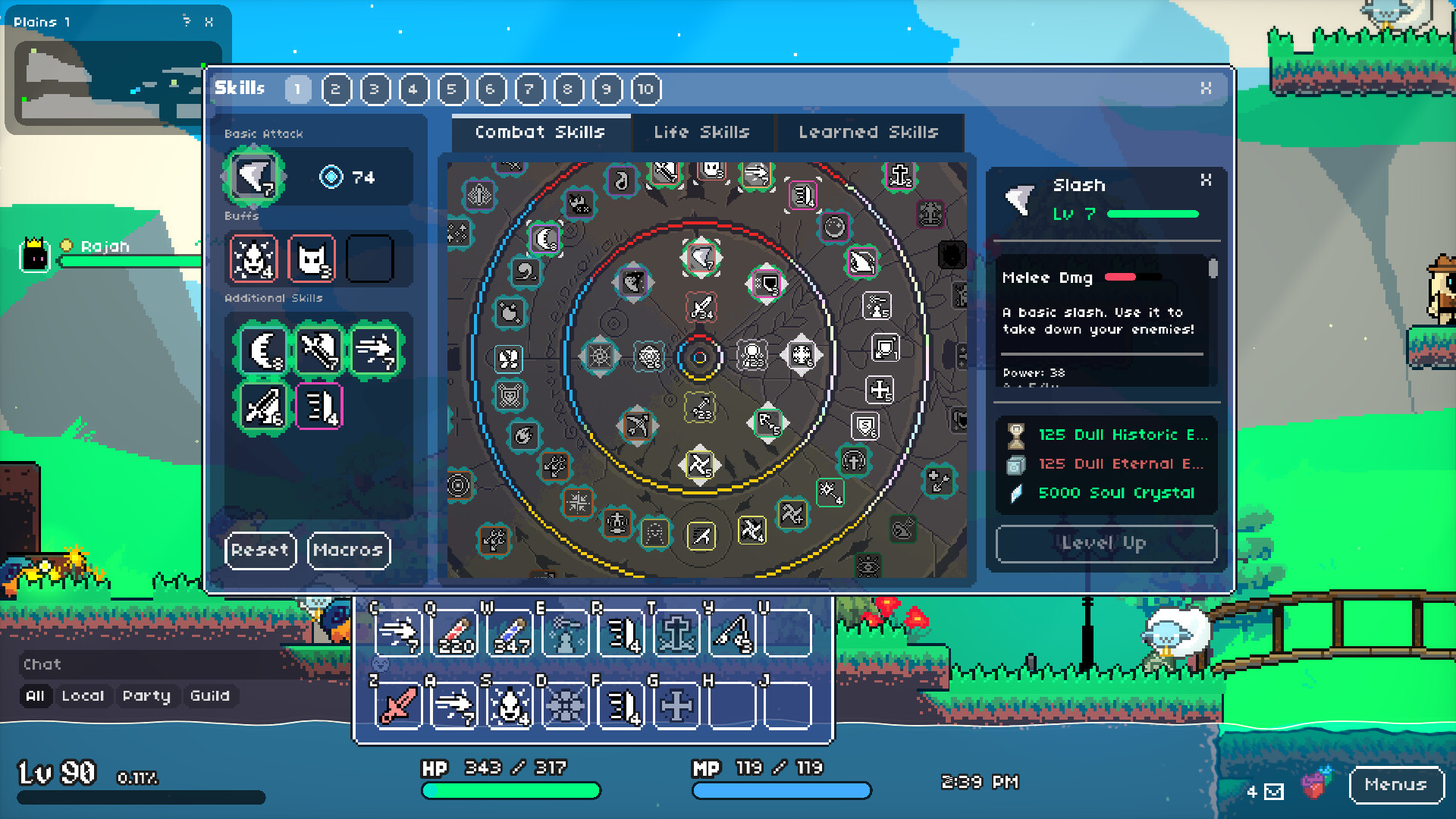
Character progression allows you to become stronger as the world becomes more dangerous. However, simply improving every available statistic or ability may not produce the most effective build.
Think about the combat style you naturally use. If you prefer close-range combat, prioritize improvements that support survivability, damage, or sustained melee encounters. If you rely more heavily on abilities or ranged options, focus on upgrades that complement that strategy.
Avoid changing your build constantly without a reason. A consistent character setup allows you to become more familiar with its strengths and weaknesses.
A useful progression strategy is:
- Identify your preferred combat style.
- Strengthen its most important attributes.
- Upgrade equipment that directly supports it.
- Test the changes against familiar enemies.
- Adjust weaknesses gradually.
- Prepare for the requirements of later areas.
A balanced build can be useful for exploration, while a specialized build may become valuable when dealing with particular enemy types or difficult encounters.
7. How to Choose and Upgrade Equipment
Equipment can significantly influence your effectiveness in combat. Do not automatically equip every item with a higher basic statistic. Consider how the equipment fits your overall strategy.
Compare the practical benefits of each item. A piece of equipment that complements your preferred playstyle may be more useful than one with a slightly better numerical value but poor synergy with your build.
When upgrading equipment, prioritize items you expect to use for an extended period. Spending limited resources on equipment that you will immediately replace can slow your overall progression.
Before committing to an upgrade, consider:
- Damage potential
- Defensive benefits
- Special effects
- Resource requirements
- Compatibility with your build
- Expected usefulness in future areas
Keeping a small selection of reliable equipment is often easier than constantly switching between many options.
8. How to Handle Difficult Encounters
Some encounters will test everything you have learned. Strong enemies can have larger attack ranges, faster movements, stronger defenses, or attack patterns that punish predictable behavior.
The most important rule is to avoid panicking. Difficult encounters become much easier when you break them into smaller patterns. Focus on surviving first, then look for opportunities to deal damage.
If an encounter repeatedly defeats you, change your approach rather than simply attempting the same strategy again. You might need better equipment, additional character progression, more resources, or a different combat rhythm.
Before attempting a difficult fight, consider:
- Is your equipment appropriate?
- Do you understand the enemy's attacks?
- Do you have enough healing resources?
- Are you entering with sufficient health?
- Can you improve your positioning?
- Is there a safer opportunity to attack?
Preparation can make a greater difference than raw aggression.
9. How to Explore and Discover Hidden Secrets
A dangerous world often rewards curiosity. Important discoveries may not always be located directly along the main route, so explore side paths and unusual areas whenever it is safe to do so.
Look for environmental details that appear different from their surroundings. Unusual structures, isolated locations, alternate routes, and suspiciously open spaces may indicate that further exploration is worthwhile.
However, exploration should remain connected to resource management. There is little value in discovering a hidden area if you are already too weak or poorly equipped to survive there.
When exploring optional locations, use a simple rule: investigate when the potential reward justifies the risk. If an area contains enemies far beyond your current capabilities, remember its location and return after improving your character.
Over time, careful exploration can reveal useful resources, alternative routes, and discoveries that make later progression easier.
10. How to Build a Strong Long-Term Strategy
Long-term success in Soul's Remnant comes from combining combat knowledge, exploration, character development, and resource management. No single mechanic can compensate for poor decisions in every other area.
Develop a consistent routine as you progress. Explore nearby territory, collect useful resources, improve your equipment, learn enemy patterns, and return to difficult locations after becoming stronger.
Do not measure progression only by how quickly you reach new areas. Understanding the world and improving your ability to survive are equally important.
A strong long-term strategy should focus on:
- Learning enemy behavior.
- Maintaining reliable equipment.
- Managing resources carefully.
- Exploring methodically.
- Improving your character consistently.
- Avoiding unnecessary fights.
- Preparing before entering dangerous areas.
- Revisiting difficult locations after gaining strength.
The more systems you understand, the less unpredictable the world becomes. What initially feels like a dangerous journey gradually becomes a series of manageable challenges.
Conclusion
Soul's Remnant rewards players who approach its world with patience and preparation. Successful progression depends on understanding combat patterns, exploring carefully, managing resources, developing an effective character, and choosing equipment that complements your playstyle.
Rather than rushing toward every new area, build your strength gradually and use each encounter as an opportunity to learn. When a difficult enemy defeats you, analyze what happened and adjust your strategy before trying again.
With careful exploration, controlled combat, and consistent character development, you can become much more capable of surviving the dangers ahead and uncovering the secrets hidden throughout Soul's Remnant.